
Engineering · Guide · 4 MIN READ
Interfaces First: Why Clean APIs Speed Up Every Project
Systems come and go — the connections between them remain. Why in integration projects we talk about interfaces first and about systems only afterwards.
strukturunion Team · April 20, 2026
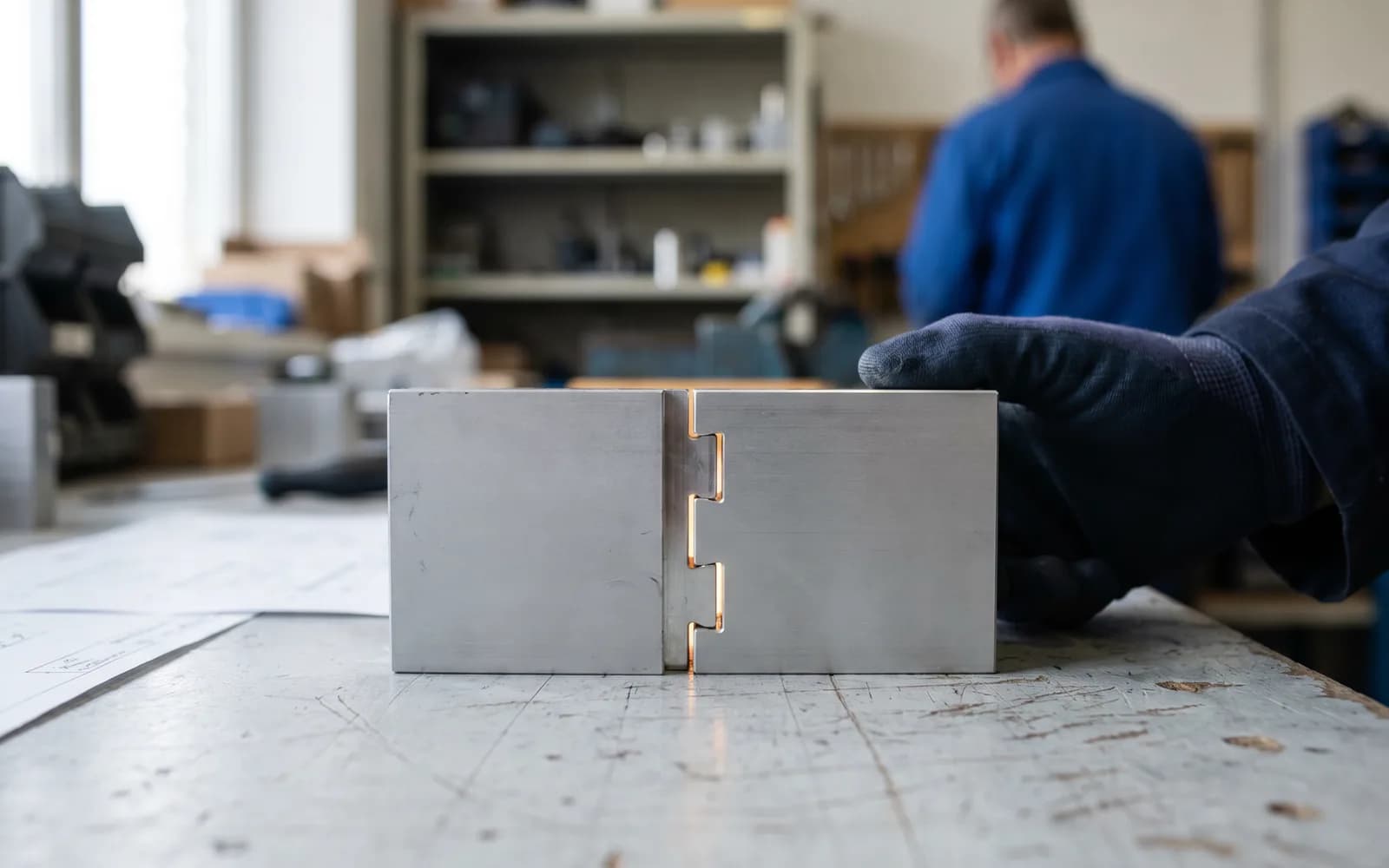
In IT landscapes that have grown over time, a single system is rarely the problem. The problem is the paths between them: data that travels by email, exports that are imported by hand, and numbers that read three different ways in three systems. That's why every integration project with us begins with the same question: how should the systems talk to each other — regardless of which systems it ends up being?
What "interfaces first" concretely means
Before any decision about new software is made, we define the data flows: which information arises where, who needs it, in what form, how fast? Out of that grows a small map of the interfaces — and suddenly decisions become easier. A system that has no usable API disqualifies itself. A system that can be connected well is allowed to stay, even if it doesn't shine.
Three effects you feel right away
- Double entry disappears. When data is captured once and passed on automatically, error rate and processing time fall at the same time — the most common instant win in our projects.
- System swaps lose their terror. If the inventory system hangs in the workflow through a defined interface, it can be replaced without rebuilding the whole process.
- Every follow-up project gets cheaper. The second connection to a clean interface costs a fraction of the first. Integration work is an investment that pays interest with every further building block.
How to recognize a good interface
- It's documented — a new team can use it without calling the builder.
- It reports errors instead of swallowing them: whatever can't be processed lands visibly in a queue, not in the void.
- It belongs to you: access credentials, documentation, and configuration sit with you, not exclusively with the provider.
Takeaway
Systems are replaceable, data flows are your operating system. Think interfaces first, and you make every further IT decision smaller, cheaper, and reversible. If you want to know what your interface map looks like: that's exactly where our integration projects begin.