
Strategy · Guide · 5 MIN READ
AI Expectation Meets Reality: Why Autonomous Automation Fails on People
One report read, one instruction given: AI should fully automate purchasing. Why such top-down mandates shatter against reality and how you turn the expectation into real value.
strukturunion Team · July 15, 2025
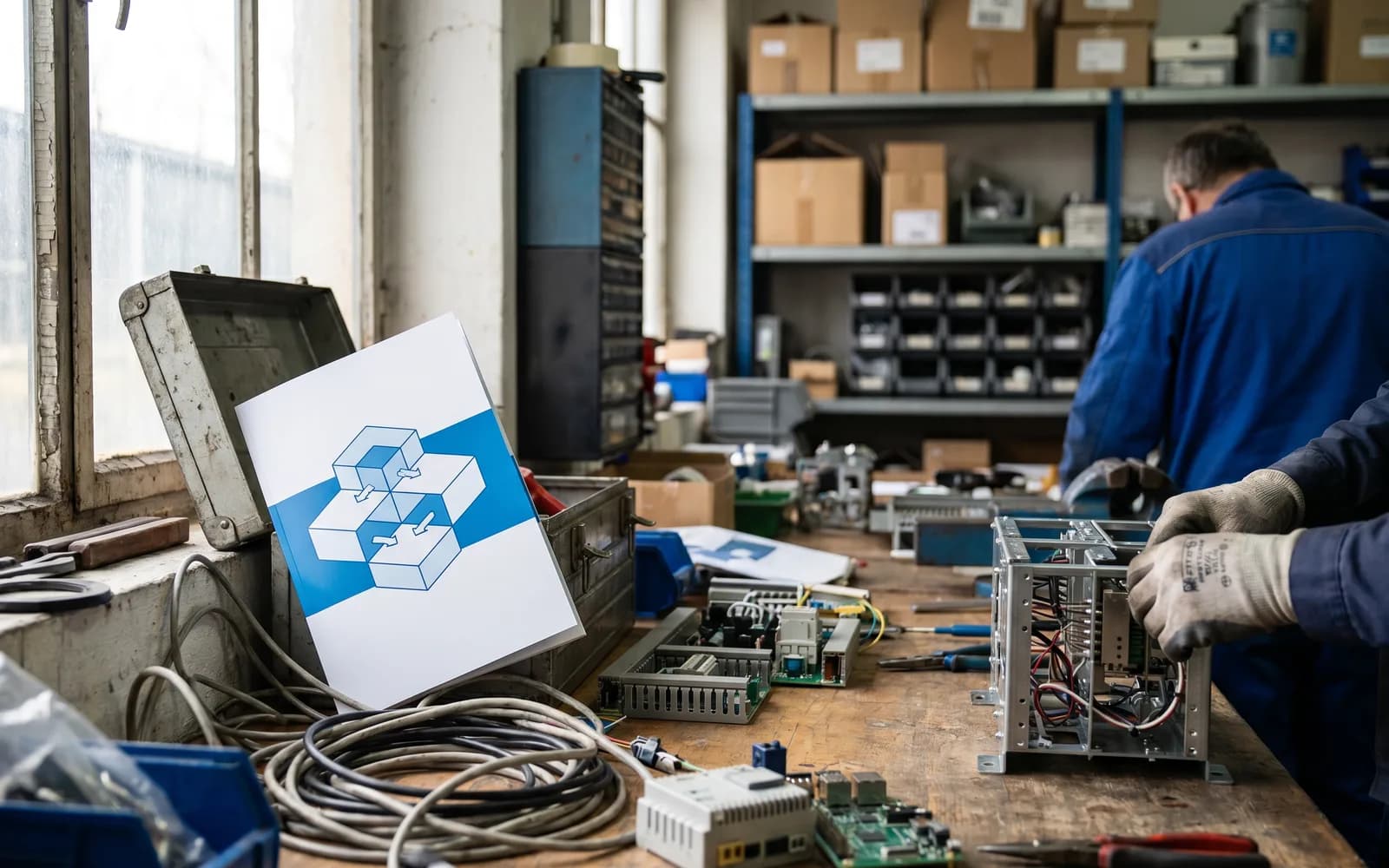
A managing director reads an industry report about generative AI and, the next day, issues an instruction: a language model is to be plugged into purchasing effective immediately and to "fully automate" supplier negotiations and orders. The expectation is clear; the picture of the technology is not. It is exactly in this gap that the most expensive AI projects are born.
The pattern
We call it the distorted perception of AI: the notion that AI is a general, independently acting decision-making authority, and not what it actually is — an advanced machine for recognizing statistical patterns. When AI is pushed into a company from the top without structural boundaries, it inevitably runs into the wall of operational reality.
Purchasing is a good example. It isn't made of text processing. It lives on relationships grown over many years, on unwritten reliability between partners, and on fine nuances in contracts that no one ever documented. Force a statistical model to handle these loose human variables on its own, and two things appear immediately: legal liability risks and massive resistance from your own team. Together, the two bring any initiative to a standstill.
The real problem isn't the technology, it's the role you assign it. Turn AI into a manager and you overwhelm it and, in the end, disappoint everyone involved. Understand it as a tool that supports the human, and you get an entirely different and far more robust lever.
From our practice
When we encounter a top-down mandate like this, we see it as our job as a small team to be a stabilizing counterweight. We don't belittle the idea — we steer the conversation away from abstract "automation" toward the concrete question: where exactly would a human, given better information, decide faster and more safely?
In one purchasing project we refused, for exactly this reason, to automate the ordering process. Instead we built an AI-supported analysis in the background that flags price anomalies and hands the human buyers pre-drafted negotiation emails. The decision, the sending, the responsibility — all of that stays with the human. The AI works out of sight.
The effect was noticeable, but not where the original brief had expected it. The buyers weren't replaced, they became faster and more attentive. And that is precisely the lesson we've carried into every AI initiative since: AI wins trust when it acts as an invisible research assistant — and loses it the moment it tries to take the lead.
What this means for an AI initiative
Before you unleash a model on a process, three sober questions are worth asking:
- Where exactly does a human make the decision here? Those spots stay human. The AI provides the groundwork before them.
- What information does the deciding person lack today? That's exactly what the AI should prepare in the background — anomalies, comparisons, drafts.
- Who is liable when the model gets it wrong? As long as the answer isn't unambiguously "a human who checks first," the process isn't ready for autonomous automation.
That's how an inflated expectation becomes an initiative with clear boundaries — and with value the team actually adopts instead of working around.
Takeaway
The expectation placed on AI is often bigger than what everyday operations can deliver. That's no reason to avoid the topic; it's the real consulting task: take the idea seriously, but steer it to where it holds. AI as a supporting assistant brings calm into an initiative, lowers risks, and wins over the team. If a mandate like this is on your table, we're glad to look together at what realistically holds today — and what is better left in a human's hands.